
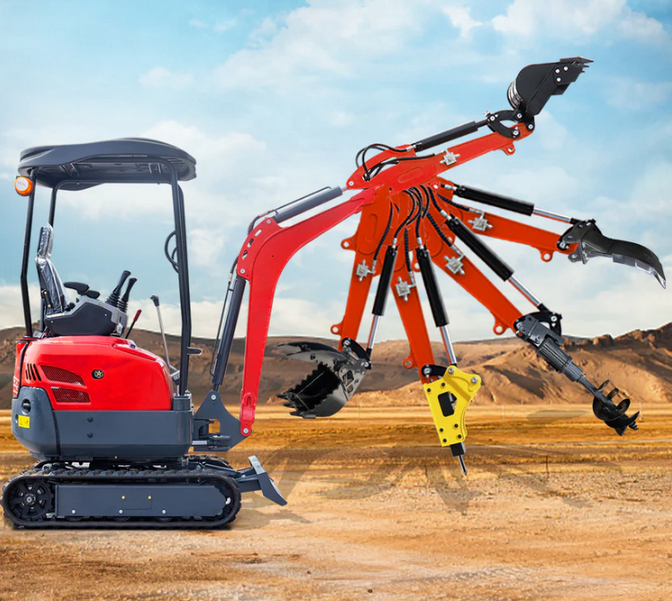
When operators work in tight spaces, attachment choice can make a major difference in speed, accuracy, and surface finish. That is why mini excavator buckets remain one of the most important tools for landscaping, utility work, drainage lines, and foundation preparation. The MMS product page for this model presents a 200 mm narrow bucket attachment designed for compact equipment, and MMS also highlights free U.S. shipping, shipping within 7 days, a 1-year warranty, lifetime technical support, and a user manual. The broader market also shows that excavator makers and attachment brands offer multiple bucket styles for trenching, grading, ditch cleaning, and general digging, which confirms how application-specific bucket selection has become.
A narrow digging attachment is especially useful when you need a cleaner trench, less over-excavation, and better control around pipes, cables, fence lines, or compact job sites. In practical terms, the right mini digger bucket can help reduce spoil removal, improve accuracy, and leave less rework for the crew after digging is complete. Instead of treating all buckets as interchangeable, contractors get better results when they match width, shape, durability, and machine compatibility to the actual task. That is the real key to buying smarter and getting more value from every job.
Why Narrow Buckets Matter on Compact Job Sites
Compact excavators are often chosen because they can work where larger machines cannot. But access alone does not guarantee precision. The bucket itself determines how cleanly the machine cuts, how much material it lifts, and how much cleanup is needed afterward.
A 200 mm narrow bucket is typically a strong fit for jobs that require tighter trench lines or smaller cuts. This makes it useful for irrigation runs, cable trenches, utility repairs, edging work, and detailed landscaping. Bobcat describes trenching buckets as tools for digging narrow, deep trenches while maintaining breakout force and fast cycle times, while Caterpillar lists trenching, grading, ditch cleaning, and digging among the specialized bucket applications available across excavator categories.
For many buyers, the appeal of a narrow profile comes down to three practical advantages:
- Better trench accuracy in confined areas
- Lower material disturbance outside the cut line
- Less backfill demand after the trench is complete
Those benefits can save time over the full job, not just during the digging phase. When an attachment removes only the material that needs to be removed, operators spend less time correcting width, reshaping edges, or transporting excess spoil.
Key Features to Look for in a Narrow Excavator Bucket
Not all narrow buckets are built the same. Before you purchase, focus on the features that affect performance, longevity, and day-to-day usability.
1. Bucket Width and Intended Use
Width is the first filter. A narrow bucket is ideal for trenching and detail work, but it is not always the best choice for bulk excavation. The MMS model is a 200 mm attachment, which puts it in the precision category rather than the high-volume category. That makes it more suitable for narrow trench applications than for moving large amounts of loose material in open ground.
2. Machine Compatibility
Compatibility matters as much as bucket quality. MMS states that its durable attachments are compatible with most compact excavators and skid steer loaders, but buyers should still confirm pin dimensions, linkage style, hitch type, and machine weight class before ordering. Even a well-built mini digger bucket will underperform or sit unused if the fitment is wrong.
3. Steel Strength and Wear Protection
Durability is not just about thickness. Caterpillar emphasizes high-strength, abrasion-resistant steel, wear plates, side protection, and suitable tooth options as major factors in bucket life and productivity. On real jobs, these details affect how well the attachment resists edge wear, holds its shape, and keeps cutting efficiently in abrasive soil.
4. Edge and Tooth Design
The cutting edge and tooth setup influence penetration. Buckets designed for harder or tighter ground need to enter material cleanly without forcing the operator to overwork the machine. Cat notes that penetration, strength, and wear life need to be balanced when selecting bucket tips and wear components. In other words, the best narrow bucket is not always the heaviest one; it is the one designed for your material conditions.
5. Support and Ownership Value
A strong product becomes even more appealing when the seller supports it well. MMS promotes free U.S. shipping, shipping within 7 days, a 1-year warranty, lifetime tech support, and a detailed instruction manual. For small contractors and owner-operators, that support package can reduce risk and make installation or troubleshooting easier.
Best Applications for a Mini Digger Bucket
A narrow attachment earns its place by doing detailed work better than a general-purpose bucket. Here are the situations where it usually delivers the most value.
Utility and Cable Trenching
When digging for cable, conduit, or drainage pipe, controlling trench width matters. A narrow mini digger bucket can keep the cut cleaner and reduce the amount of disturbed soil. That usually means less spoil to haul away and less material to put back.
Irrigation and Drainage Work
Landscape installers often need consistent trench lines across gardens, lawns, and site edges. A narrow bucket helps create tidy channels without tearing up more ground than necessary. That is especially useful on finished or semi-finished properties where appearance matters.
Fence Post and Boundary Preparation
While augers may be used for exact post holes, a narrow bucket is still useful for opening short runs, clearing compact sections, or preparing lines along boundaries. It is also practical when site conditions vary and one attachment needs to handle several light-duty tasks.
Foundation Edging and Small Construction Work
For small pads, shallow footing runs, or repairs near structures, narrow buckets offer better visibility and control than wider attachments. Operators can work closer to walls, slabs, and existing services with more confidence.
How to Choose the Right Bucket for Your Jobs
Buying the right attachment is easier when you use a simple decision process instead of choosing by price alone.
Match the Bucket to the Material
Soft soil, mixed fill, gravel, and abrasive ground do not wear tools the same way. Cat separates bucket options by application severity and material type, ranging from general duty to more aggressive duty classes. If your work regularly involves tougher ground, durability features should move higher on your priority list.
Prioritize Precision Over Volume When Needed
Many buyers make the mistake of expecting one bucket to cover every job equally well. A narrow trenching bucket is not mainly about capacity. It is about control, line accuracy, and reduced over-digging. If those outcomes affect labor cost and finish quality on your projects, the narrow option may deliver better value over time than a wider general-purpose alternative.
Confirm Fitment Before Ordering
Always verify:
- Pin diameter
- Center-to-center dimensions
- Dipper gap or ear spacing
- Coupler or hitch type
- Recommended machine class
This step protects you from delays, returns, and installation problems. It is one of the easiest ways to avoid costly mistakes when shopping for compact excavator attachments online.
Think About Total Cost, Not Just Purchase Price
A low upfront price can look attractive, but ownership value depends on service, durability, and downtime risk. The MMS listing combines a compact narrow-bucket option with shipping support, warranty coverage, and technical backup, which can be meaningful if you need the attachment working quickly after delivery.
Maintenance Tips to Extend Bucket Life
Even a quality attachment needs routine care. Good maintenance improves performance and keeps wear from turning into expensive repairs.
Use this basic checklist:
- Inspect teeth, edge wear, and side wear areas regularly
- Tighten mounting hardware and check pin condition
- Clean out packed soil after each shift
- Watch for cracks around stress points and weld zones
- Store the bucket in a dry area when not in use
- Replace worn cutting parts before they affect digging efficiency
Caterpillar’s bucket guidance repeatedly emphasizes wear protection, correct ground engaging tools, and application matching because long-term durability depends on both design and upkeep. In real-world use, maintenance is often the difference between a bucket that lasts and a bucket that becomes a recurring expense.
Why the MMS 200 mm Narrow Bucket Stands Out
For buyers comparing entry-level or practical-use attachments, the MMS 200 mm model has a straightforward value proposition. It is positioned as a narrow bucket attachment for compact equipment, supported by free U.S. shipping, a 1-year warranty, lifetime tech support, and an instruction manual. MMS also presents itself as a one-stop compact machinery supplier and highlights certified products and durable attachments compatible with most compact excavators and skid steer loaders.
That combination makes the product appealing for contractors who want a focused trenching tool without overcomplicating the purchase. It may not be the only option on the market, but it aligns well with what buyers usually want from narrow bucket attachments: simple fitment goals, practical support, and enough durability for recurring compact-site work.
FAQ
What is a narrow bucket best used for?
A narrow bucket is best for trenching, drainage lines, cable runs, edging work, and any job where accuracy matters more than bulk material movement. It helps keep the cut tighter and reduces over-excavation.
How do I know if a mini digger bucket will fit my machine?
Check the pin diameter, ear spacing, center-to-center dimensions, coupler type, and machine weight class. Never rely on visual similarity alone when ordering attachments online.
Are mini excavator buckets good for landscaping work?
Yes. Mini excavator buckets are commonly used for irrigation trenches, border shaping, drainage channels, and cleanup tasks. The right width depends on whether your priority is precision, finish quality, or fast material movement.
What should I look for besides price?
Look at compatibility, wear resistance, seller support, shipping terms, and warranty coverage. Those details often have a bigger impact on long-term value than the purchase price alone.
How often should I inspect a bucket?
A quick inspection after each working day is a smart habit. Pay special attention to teeth, pins, welds, edges, and wear plates if you operate in abrasive soil.
Conclusion
Choosing the right attachment is less about buying the biggest option and more about matching the tool to the work. For trenching, utility lines, drainage, and other detail-focused tasks, a narrow mini digger bucket gives operators better control, cleaner cuts, and less unnecessary excavation. The MMS 200 mm model adds practical buyer benefits such as free U.S. shipping, a 1-year warranty, lifetime technical support, and a user manual, making it a strong option for compact-equipment users who want a simple and support-backed purchase. When you evaluate fitment, wear protection, material conditions, and real job needs carefully, mini excavator buckets become an investment in efficiency rather than just another attachment.
